
Textile Archives
Traditional Gowns and Sociocultural Change in Cameroon
Uncovering History and Heritage: Examining Gender, Identity, and Material Culture in the Cameroon Grasslands
“For the apparel oft proclaims the man.” Shakespeare
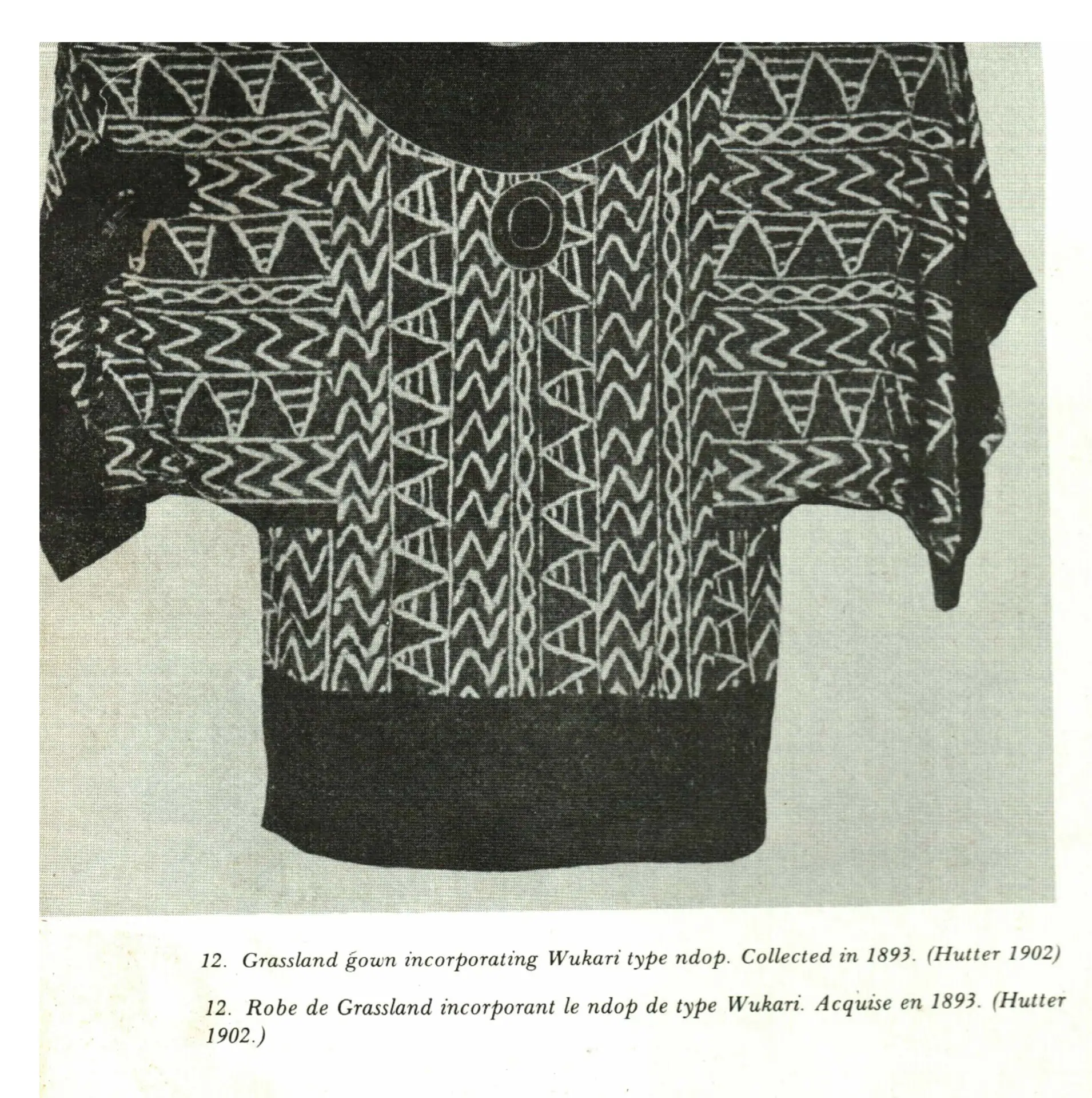
Can the study of cloth consumption deepen our knowledge about the changing nature of social relations, identities and values? Art historians and anthropologists of material culture seem to suggest exactly this. Building on the strengths and insights of these disciplines, this project will investigate the ways in which socioeconomic and political shifts may be analyzed from the vantage point of cloth consumption. Taking as my case study, a garment known in northwestern Cameroon as the “Grassfields gown” traditionally worn by male members of the nobility about a century ago, I seek to investigate how and why this type of garment has come to epitomize a variety of values and modern identities. Understood as a unique type of “textile archive”, the study seeks to uncover how the Grassfields gown has shaped and has been influenced by changes in power, the economy and gender relations. By combining ethnographic and archival research methods, the study will reconstruct the material history of the Grassfields gown, relating this to how its production and consumption are intertwined with institutions of power, and broader changes in sociocultural and economic life.
- Research for this project began with archival work in Bamenda.
- The second phase now focuses on interviewing producers and consumers of the Bamenda Gown.
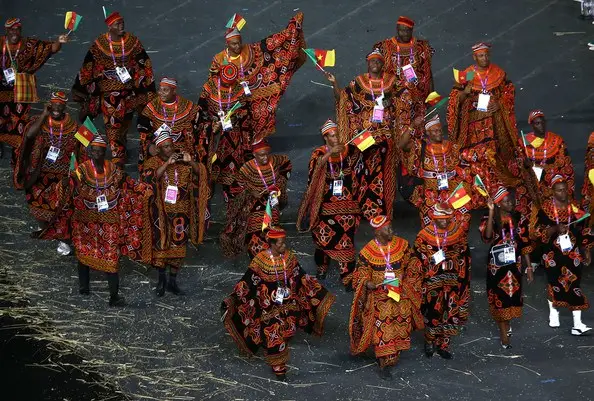
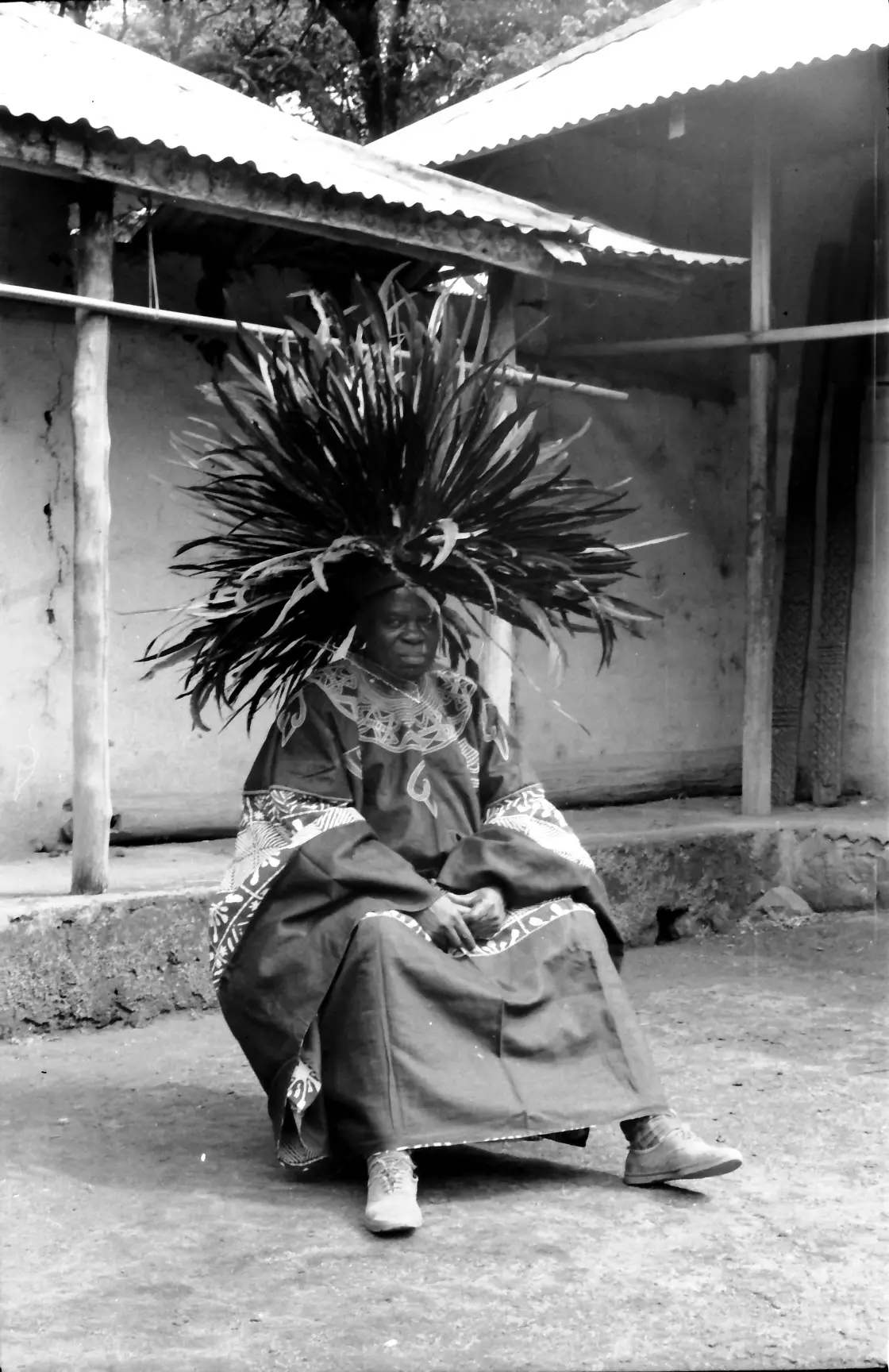
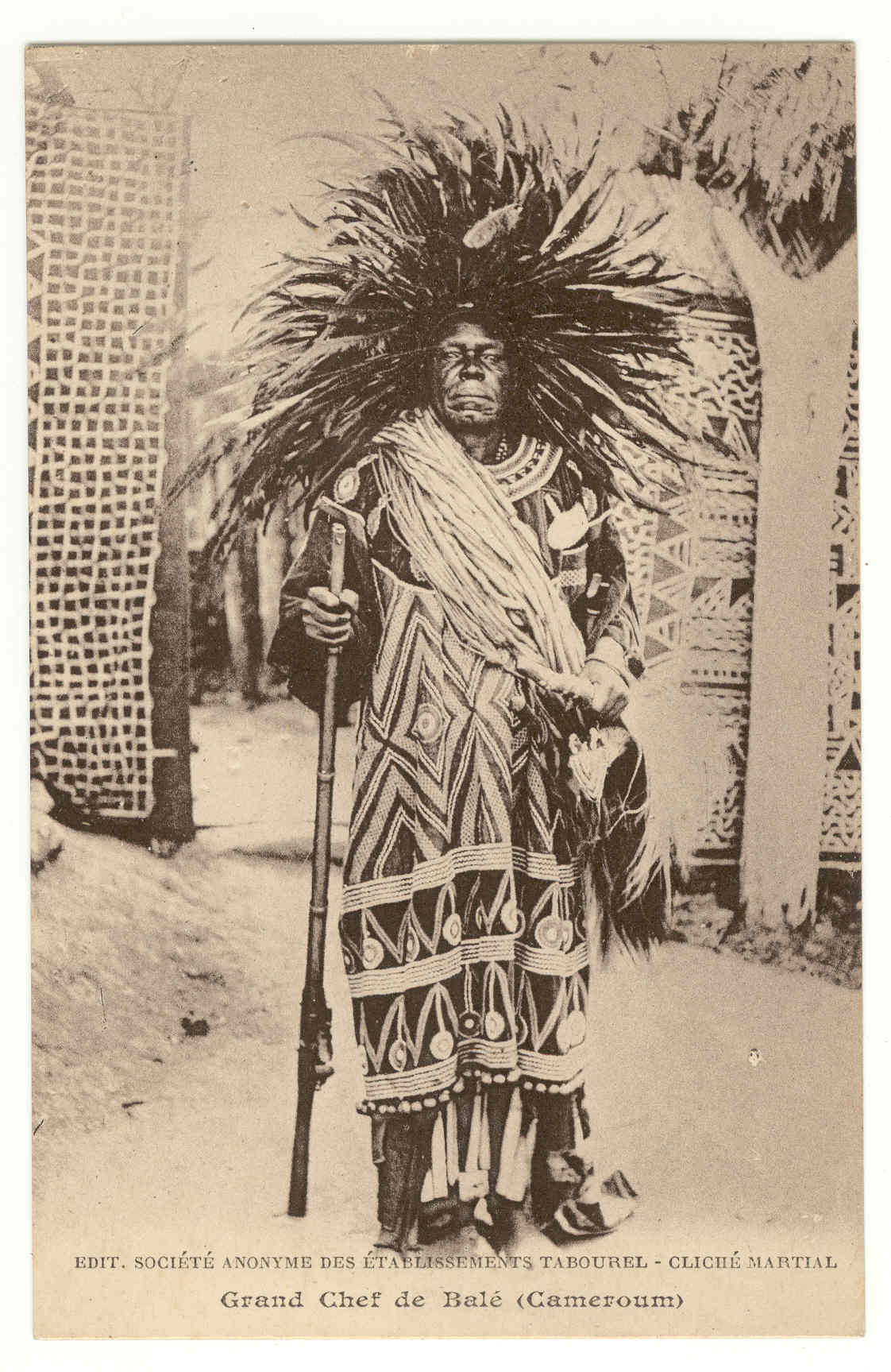
How has the production, circulation, and contemporary consumption of the Grassfields gown (toghu) in Cameroon reflected and reshaped changing configurations of power, gender relations, and social identity from the early 20th century to the present?
Decentralization and Traditional Leadership in Africa
Governance at the Crossroads: Interrogating Decentralization, Democratization, and Chieftaincy Politics in Contemporary Africa
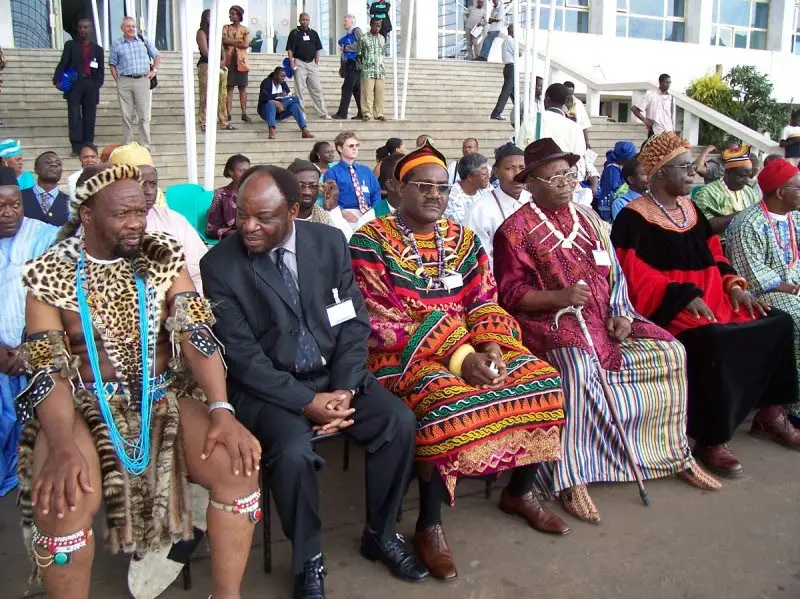
This project examines how decentralization reforms are understood, negotiated, and contested in African contexts where traditional leadership remains socially and politically significant. Building on earlier comparative research on democratization and chieftaincy in South Africa and Cameroon, the study adopts an ethnographic approach to explore the local meanings, circulating discourses, and everyday practices surrounding decentralization. While decentralization is often promoted globally as a pathway to democratic deepening, development, and inclusive governance, African experiences reveal persistent ambiguities—particularly tensions between elected local authorities and longstanding institutions of traditional leadership. By “studying up” the bureaucratic, political, and institutional processes through which decentralization is implemented, this project investigates how chiefs and related customary institutions navigate their evolving roles within modern state structures, and how communities interpret the promises and contradictions of decentralization. Comparative fieldwork in South Africa, Cameroon, and potentially Ghana will illuminate how global governance discourses intersect with local histories, political cultures, and struggles over legitimacy, belonging, and nation‑building.
Research Questions
- How do local actors—citizens, chiefs, and state representatives—understand, interpret, and experience decentralization in selected regions of South Africa, Cameroon, and Ghana?
- In what ways do decentralization reforms reshape the roles, authority, and legitimacy of traditional leaders, and what are the consequences of their inclusion or exclusion for local governance and democratic practice?
- How might ethnographic findings from South Africa, Cameroon, and Ghana inform policy frameworks that strengthen decentralization, improve collaboration between traditional and elected authorities, and enhance democratic participation at the local level?